Your engine rattles for two seconds on startup. Here is what that is.
A rattle lasting one to two seconds immediately after a cold start is almost always the timing chain slapping against its guides before oil pressure reaches the tensioner. The tensioner is hydraulic, it bleeds down overnight, and a worn one takes too long to pump back up. That gap is the noise you hear. It is a genuine warning rather than a quirk, because the same wear that causes the rattle eventually lets the chain skip a tooth.
by the technicians at Instant Auto Repair, Detroit, MI.
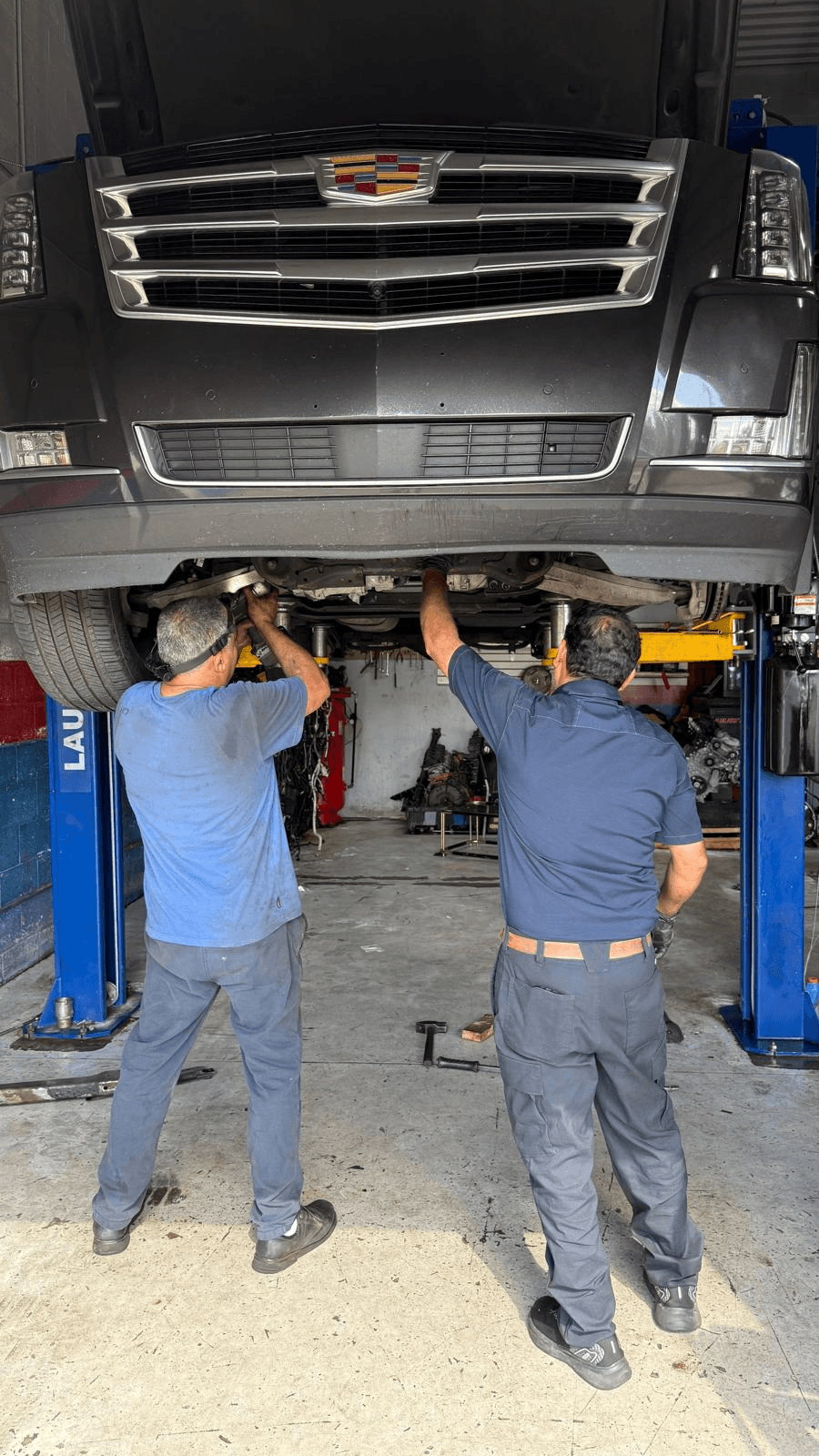
Why it only happens when the engine is cold
The chain is held tight by a tensioner that runs on oil pressure. When the engine sits overnight, oil drains back into the pan and the tensioner loses its charge. On startup there is a brief window before pressure builds, and in that window the chain is slack.
On a healthy engine that window is short enough that you never hear it. On a worn one, the guides have grooves worn into them, the chain itself has stretched, and the slack is now big enough that the chain slaps the guide audibly. That is why the noise appears gradually over months rather than one morning.
What makes it worse
Oil change history, more than mileage. The plastic guides and the tensioner both live in oil, and dirty oil wears them faster while sludge restricts the small passages feeding the tensioner. An engine that went 15,000 miles between changes will rattle far sooner than one that was serviced properly.
Short trips make it worse too. An engine that never fully warms up does not burn off moisture and fuel dilution in the oil, and diluted oil holds pressure less well. Detroit stop-and-go driving is exactly this pattern.
What happens if you leave it
The chain keeps wearing the guides, the slack keeps growing, and eventually the chain jumps a tooth on the sprocket. When that happens the camshaft and crankshaft are no longer in phase, and on an interference engine, which is most engines built in the last twenty years, the valves and the pistons then occupy the same space at the same moment.
The result is bent valves at best, and a bent valve plus a damaged piston and head at worst. That converts a timing job into an engine rebuild. The repair costs a great deal more than the one you were putting off.
The other outcome is that it simply stops. A chain that jumps at speed shuts the engine down immediately, which is its own problem in traffic.
How it gets diagnosed properly
Before anything comes apart, a scan tool reads camshaft and crankshaft position correlation. That tells us directly how far out of phase the two shafts are, which is the measurable version of chain stretch. Many engines will also store a correlation code before you ever notice a driveability problem.
We also check oil condition and look for metal flake, because guide material and chain wear end up in the pan and tell you how far along it is.
If the chain is going, the guides, tensioner and sprockets get replaced with it as a set. Replacing the chain alone against worn sprockets means doing the job twice.